

MNM Scales 3,000 lb Pancake Load Cell for Coil Spring, Shock & Suspension Testing
- pete8781
- 2 days ago
- 2 min read
For help choosing a spring or suspension force-measurement setup, call MNM Scales at (832) 290-3120 or email mnmscales@yahoo.com.
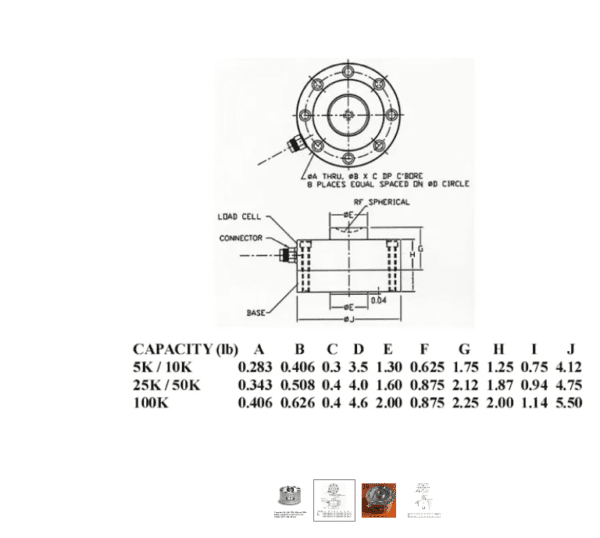
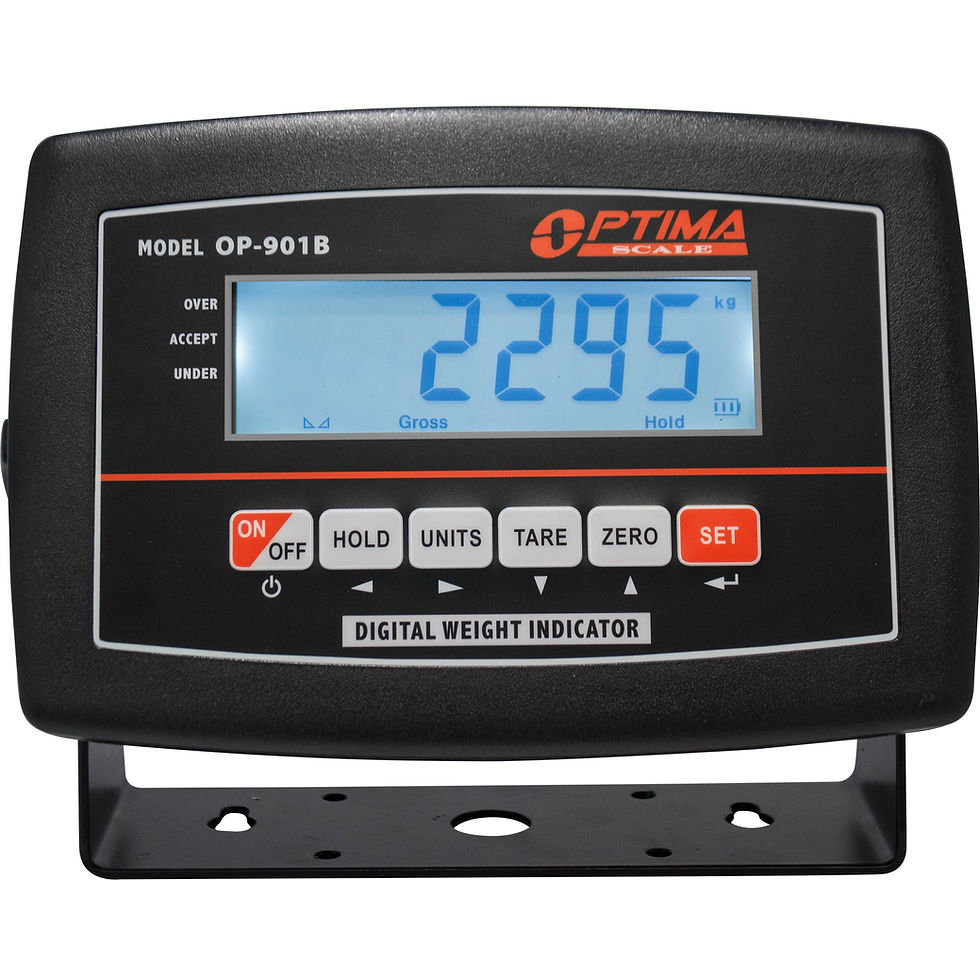
The MNM Scales 3,000 lb pancake load cell for coil spring, shock and suspension testing is useful when a race shop, off-road builder or fabricator wants actual force readings at controlled compression positions instead of relying only on the spring’s advertised rate. The IDS-672-3K system provides a 3,000 lb range, 0.5 lb displayed readability and a low-profile sensor that fits naturally beneath spring and component fixtures.
What Can a Spring Tester Measure?
With a rigid fixture that controls spring length, you can record force at free length, initial preload, installed height and multiple compressed heights. The change in force divided by the change in displacement gives an observed spring-rate slope over that interval. Repeating the test helps reveal whether two nominally identical springs behave similarly. Progressive springs may show a changing slope, which is one reason measuring several points is more informative than taking one force reading.
Suspension and Off-Road Component Uses
Beyond conventional coil springs, a compression fixture can compare bump stops, elastomer isolators, helper springs, small suspension bushings and certain shock-related components where force versus displacement is the quantity of interest. For dampers themselves, speed-dependent damping force normally requires a dedicated shock dynamometer; a static compression scale should not be described as a substitute for that equipment.
Why 3,000 lb Capacity Helps With Heavy Springs
Heavy truck, racing and off-road springs can develop substantial force when compressed toward operating height. A 3,000 lb measuring range provides more headroom than a 500 lb bench system while still offering a 0.5 lb display increment. Choose the test range based on the maximum expected force, including preload, and do not compress a spring farther simply because the load cell still has unused capacity.
Build a Repeatable Spring-Test Procedure
Use parallel spring seats, keep the spring centered and measure displacement independently with a scale, caliper, linear encoder or other suitable tool. Approach each target height from the same direction, let the reading settle, record force and then unload in a controlled manner. If comparing springs, use the same seats and procedure. Springs store significant energy, so the fixture needs positive containment that prevents a spring from escaping if it bows or a component slips.
Peak Hold vs. Static Spring Readings
For spring-rate work, stable readings at known displacement are usually more useful than Peak Hold. Peak Hold becomes valuable for a bump-stop impact simulation, breakaway event or other test where the maximum is the result of interest. Use the indicator mode that matches the question being asked rather than enabling Peak Hold by default.
Calibration Before Comparing Springs
If the goal is to compare springs closely, verify the system before the session with a known load and recheck after any fixture change. A shifted zero from a heavy top plate can look like a spring difference if the operator is not consistent. The linked calibration article covers the OP-901 zero and span process and how to document repeatability.
Comments