

How to Calibrate the MNM Scales 25,000 lb Compression Scale with LP7516
- pete8781
- Jul 29
- 2 min read
For professional calibration help or high-capacity test-load planning, call MNM Scales at (832) 290-3120 or email mnmscales@yahoo.com.
Calibrating the MNM Scales 25,000 lb compression scale with LP7516 requires both correct indicator settings and a mechanically sound high-force fixture. LP7516 documentation identifies C01 for unit, C02 for decimal digits, C03 for division, C04 for maximum capacity, C05 for zero calibration and C06 for loading/span calibration. The manual warns that calibration/service work should be performed by qualified personnel.
Before Calibration: Stabilize the Mechanical System
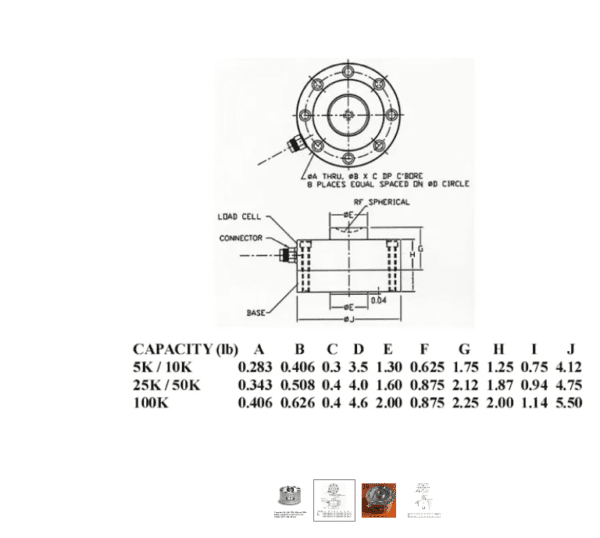
Remove test force and inspect the load-introduction surfaces. The pancake sensor should sit flat and receive centered compression. Check for debris, rocking plates, bent fixtures or a cable trapped under the test structure. Power the indicator and make sure the unloaded reading is stable. High-capacity calibration will be poor if the sensor shifts mechanically as load is applied.
C01-C04: Configuration Before Zero and Span
LP7516 documentation uses C01 for calibration unit, C02 for decimal position, C03 for division and C04 for maximum capacity. For an existing MNM-calibrated 25,000 lb x 1 lb system, record all current values before changing anything. A wrong decimal or division can make a correct load-cell signal display incorrectly. Do not restore factory defaults casually because that can erase the calibrated setup.
C05: Zero Calibration
Public LP7516 manuals describe C05 as zero calibration. Select the calibration option only when the scale is mechanically unloaded and the stable indicator is active. The indicator performs a countdown and stores the no-load reference. If zero is unstable, stop and correct the mechanical or electrical problem rather than repeatedly forcing a new zero.
C06: Loading / Span Calibration
C06 is the loading calibration stage. Enter the known applied reference value, apply the matching compression load and wait for stability before accepting it. LP7516 documentation says the calibration load must be at least 10% of maximum capacity and recommends a load closer to full capacity. For a 25,000 lb system, generating a traceable high load safely may require certified test equipment or a professional calibration setup rather than ordinary shop weights.
Verify More Than One Point
After calibration, unload and verify zero, then check several known loads across the working range. Repeat a mid-range load to assess repeatability and compare loading versus unloading. A span adjustment should not be used to hide fixture bending, eccentric loading or a damaged sensor. Document the reference equipment and results if the scale supports a quality-control process.
Manuals & Technical Documents
Read the complete 25,000 lb system guide
Comments