
(832) 766-5410
(281) 656-2666
(832) 290-3120
All Scales USA · Cypress, TX · Industrial scales & Houston calibration

Lab & Analytical Balances
Find the right starting point for lab weighing, sample preparation and quality-control work. Browse analytical and precision balances by the measurements you need, then use the application categories for pharmacy, jewelry, reloading or moisture testing. Include the sample container when comparing capacity and pan size.
Shop lab & analytical categories: Analytical Balances | Precision Balances | Moisture Analyzers | Pharmacy Balances | Calibration Weights | Force Gauges




Match the balance to the sample
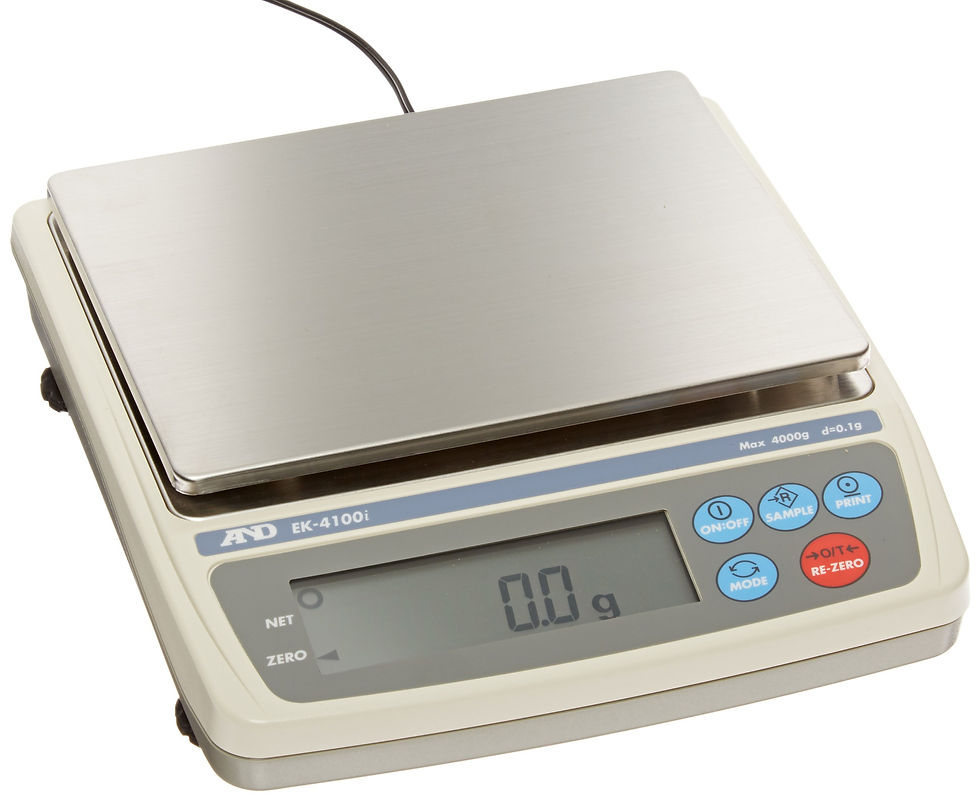
Start with your smallest sample, largest combined sample-and-container weight, and the smallest change you need to observe. Analytical balances are the route for fine-increment laboratory weighing; compare readability, draft-shield space and calibration method. For routine preparation and larger loads, explore precision balances. Readability describes the displayed increment, so also review repeatability and the requirements of your measurement procedure.
Follow the application when requirements are specific
Pharmacy balances bring together equipment for pharmacy weighing. Check the exact model, operating range and documentation against your procedure with the responsible pharmacist or quality lead. For gemstones and precious metals, visit jewelry scales and compare the required units, pan arrangement and any commercial-weighing requirements. The reloading scales category provides a focused route to balances listed for that application; review each model's units and displayed increments.
Choose moisture testing or balance checks
For a heating-and-weighing test, browse moisture analyzers. These measure sample weight change during drying. The material, preparation and heating method matter, so confirm that the sample can be tested safely and that the method suits the result you need.
For checking a balance, use calibration weights. Match the nominal mass, weight class and documentation to the balance manual and your checking procedure. Internal calibration and an external performance check serve different purposes; establish which your process requires.
Keep hydraulic force measurement separate
The linked force gauges category currently centers on the Enerpac GF-200P hydraulic gauge. Use that route for the appropriate hydraulic measuring task, checking cylinder and gauge compatibility rather than treating it as a laboratory balance.
Before choosing, note the available bench space, power supply and required printer or computer connection. Those details help narrow a broad lab collection to the right configuration.