top of page
Search

The Role and Uses of Pharmacy Scales in Healthcare

In healthcare, precision and accuracy are critical. One of the essential tools that ensure this precision in pharmacies and healthcare settings is the pharmacy scale. These devices play a vital role in the preparation and dispensing of medications, ensuring patient safety and effective treatment outcomes. This article explores the various uses of pharmacy scales, their importance, and how they contribute to healthcare quality.


Uses of Pharmacy Scales in Medication Preparation


Pharmacy scales are indispensable in the accurate measurement of ingredients for compounding medications. Pharmacists often need to prepare customized doses for patients, especially when standard dosages are not suitable. For example, pediatric or geriatric patients may require specific formulations that differ from commercially available products.


  • Compounding medications: Pharmacy scales help measure powders, liquids, and other ingredients with high precision.

  • Dose accuracy: Ensuring the correct dose prevents underdosing or overdosing, which can lead to ineffective treatment or adverse effects.

  • Quality control: Scales verify that the final product meets the required specifications before dispensing.


Using a pharmacy scale ensures that every compound is prepared with exact measurements, which is crucial for patient safety and therapeutic effectiveness.


Close-up view of a digital pharmacy scale measuring powdered medication
Digital pharmacy scale measuring medication powder

What is a pharmacy scale?


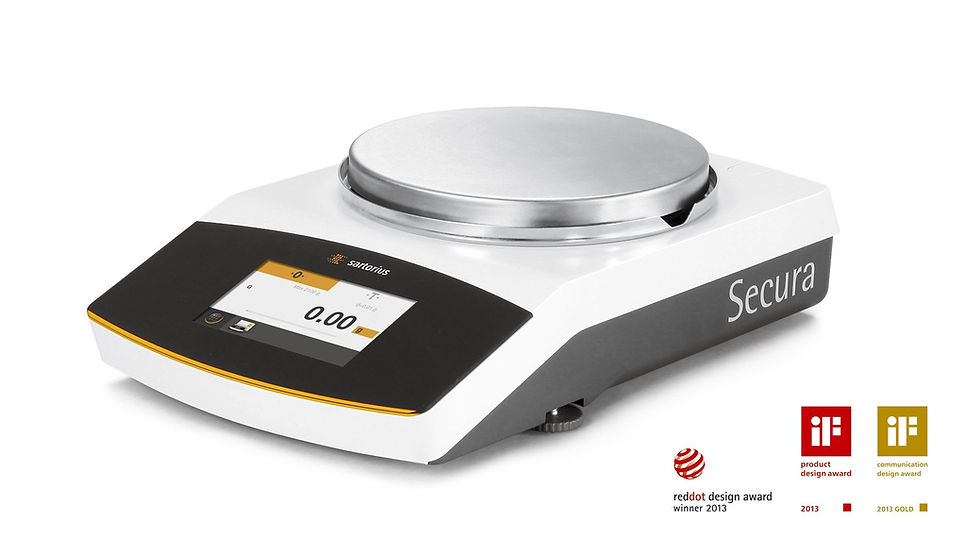
A pharmacy scale is a specialized weighing instrument designed to measure small quantities of substances with high accuracy. Unlike regular kitchen or postal scales, pharmacy scales are calibrated to detect minute differences in weight, often down to milligrams or micrograms.


These scales come in various types:


  • Analytical balances: Provide the highest precision, often used in compounding pharmacies and laboratories.

  • Precision balances: Suitable for routine weighing tasks with slightly less sensitivity.

  • Mechanical scales: Traditional scales that use a balance beam, though less common today due to digital alternatives.


Pharmacy scales are built to comply with regulatory standards, ensuring that measurements are reliable and consistent. They often include features such as tare functions, calibration options, and easy-to-clean surfaces to maintain hygiene.


Importance of Accuracy and Calibration in Pharmacy Scales


Accuracy in weighing is non-negotiable in healthcare. Even a small error in medication measurement can have serious consequences. Therefore, regular calibration and maintenance of pharmacy scales are essential.


  • Calibration: Pharmacy scales must be calibrated using certified weights to maintain accuracy. This process should be done regularly, depending on usage frequency.

  • Maintenance: Keeping the scale clean and free from dust or residue prevents measurement errors.

  • Training: Pharmacy staff should be trained to use scales correctly, including zeroing the scale and handling materials properly.


By adhering to these practices, pharmacies can ensure that their scales provide precise measurements, supporting safe medication dispensing.


Eye-level view of a pharmacy technician calibrating a digital scale
Pharmacy technician calibrating a digital scale

Enhancing Patient Safety Through Precise Measurement


Patient safety is the cornerstone of healthcare, and pharmacy scales contribute significantly to this goal. Accurate dosing reduces the risk of medication errors, which are a common cause of adverse drug events.


  • Customized dosing: Patients with unique needs, such as those with allergies or chronic conditions, benefit from tailored medication doses.

  • Avoiding contamination: Proper weighing techniques minimize the risk of cross-contamination between substances.

  • Regulatory compliance: Accurate measurement supports adherence to healthcare regulations and standards.


Pharmacies that invest in high-quality scales and proper training demonstrate a commitment to patient safety and quality care.


Future Trends and Innovations in Pharmacy Scales


Technology continues to advance, and pharmacy scales are evolving to meet modern healthcare demands. Some emerging trends include:


  • Smart scales: Integration with software for automatic data recording and inventory management.

  • Wireless connectivity: Allowing remote monitoring and calibration.

  • Enhanced user interfaces: Touchscreens and voice commands for ease of use.

  • Improved materials: Scales made with antimicrobial surfaces to enhance hygiene.


These innovations aim to improve efficiency, accuracy, and safety in pharmacy operations.


Final Thoughts on the Role of Pharmacy Scales in Healthcare


Pharmacy scales are more than just weighing devices; they are critical tools that uphold the standards of healthcare practice. Their role in ensuring accurate medication preparation, enhancing patient safety, and supporting regulatory compliance cannot be overstated. As technology advances, these scales will continue to evolve, offering even greater precision and convenience to healthcare professionals.


By understanding the importance and uses of pharmacy scales, healthcare providers can better appreciate the meticulous work that goes into every dose dispensed, ultimately benefiting patient health and wellbeing.


Comments


bottom of page