

MNM Scales 100,000 lb Tank Scale Kit Guide: 4 x 25,000 lb Load Cells, Junction Box & Indicator
- pete8781
- Jul 29
- 4 min read
For help planning a tank, hopper, silo or process-vessel weighing system, call MNM Scales at (832) 290-3120 or email mnmscales@yahoo.com.
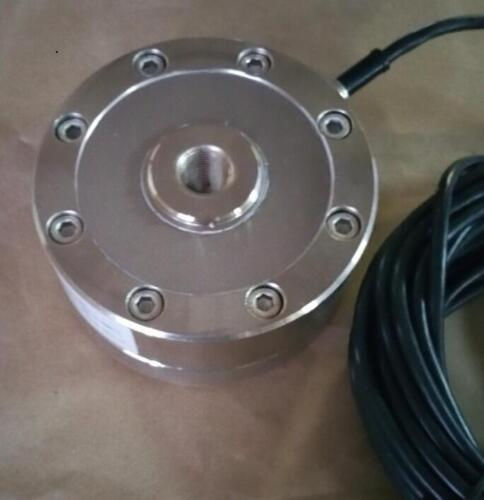
The MNM Scales 100,000 lb tank scale kit combines four 25,000 lb low-profile compression load cells, a stainless steel NTEP indicator and a stainless junction box into a calibrated 100,000 lb x 10 lb multi-cell weighing package. It is aimed at heavy vessels, tanks, hoppers and process equipment where the structure is supported at multiple points and the goal is to measure inventory, batch weight or process load without transferring material to a separate platform scale.
What Is Included in the 100,000 lb Tank Scale Package?
MNM lists four LPD-25K low-profile disk compression load cells, each rated 25,000 lb; one stainless steel NTEP indicator; one stainless steel junction box; rechargeable battery power; and a Peak Hold switch/function in the indicator package. The complete listing is specified as 100,000 lb x 10 lb calibrated. The indicator listing details include a large approximately 1-inch display, lb/kg/oz units, hold, checkweighing, selectable animal-weighing averaging, rechargeable power, external AC/DC adapter and the ability to power multiple 350-ohm-class load cells.
How Four Compression Load Cells Weigh a Tank
Each support point transfers part of the tank’s vertical reaction into a load cell. The four millivolt signals are brought into the junction box, where they are summed and can be trimmed so the supports contribute consistently. One combined signal then runs to the indicator. The empty vessel and permanent hardware become dead load; product added to the tank increases the total. Operators can view gross weight, tare out the vessel when appropriate, or use the signal as part of a process-control system when compatible equipment is added.
Why Low-Profile Compression Cells Fit Heavy Vessel Weighing
Low-profile disk cells keep vertical height relatively compact under a support leg or mounting structure. Compression loading is also natural for a tank sitting on supports. The cell still needs properly designed load-introduction hardware: it should not see excessive side load, twisting or a support shoe that contacts only a small edge. Heavy tank systems also need restraint against wind, seismic, piping and lateral process forces without accidentally bypassing vertical weight around the sensors.

100,000 lb Capacity: What It Does and Does Not Mean
Four 25,000 lb cells sum to 100,000 lb and MNM markets the complete package as 100,000 lb x 10 lb. In the real installation, the empty tank, legs, agitator, valves and permanent attachments are part of the load. Unequal support loading can put more than one quarter of the total on one sensor. Dynamic filling, mixer torque, pipe forces and environmental loads can also affect individual supports. The vessel structure and load-cell mounting system therefore need engineering margin beyond a simple four-times-capacity calculation.
Piping Is One of the Biggest Sources of Tank-Scale Error
Rigid inlet, outlet, steam, air, electrical conduit and clean-in-place connections can support or pull on the tank. If those forces change as the tank fills, empties, heats or cools, the displayed weight can change for reasons unrelated to product mass. Use flexible connections or engineered routing where the process allows, and design restraint systems so they control unwanted movement without carrying normal vertical weight around the load cells.
Installation Sequence
Confirm the vessel structure and support-point geometry first. Install the compression cells and load-introduction hardware so each support remains aligned. Route the four cell cables to the stainless junction box and identify each channel by physical support. Connect the junction-box output to the indicator. Before final calibration, check that each support responds in the correct direction, compare support/corner response with a controlled test load when feasible, then set the unloaded zero and perform span calibration with a traceable method suitable for the vessel.
Calibration Options for a Large Tank
Large tanks are not always easy to calibrate with conventional test weights. Depending on the process and required accuracy, service providers may use certified test weights, substitution methods, known liquid quantities, force-transfer equipment or other traceable techniques. The key is that the calibration load must be known well enough for the application and applied through the normal load path. The dedicated calibration guide linked below discusses support balancing, zero, span and verification in more detail.
Troubleshooting Common Tank-Scale Symptoms
If zero shifts as pipes heat, suspect external mechanical force. If the reading changes when an agitator starts, distinguish actual dynamic reaction from a wiring fault. If one support produces a different response, inspect that cell, mounting surface and junction-box channel. If weight does not return to zero after emptying, confirm product has actually drained and that hoses, ladders, platforms or piping are not carrying a different load than they did during calibration. Calibration should follow mechanical diagnosis, not replace it.
Comments