

MNM Scales Livestock Scale Kit for Hogs, Sheep, Goats & Pigs
Need more details or help choosing a pen/platform layout? Call MNM Scales at (832) 290-3120 or email mnmscales@yahoo.com.
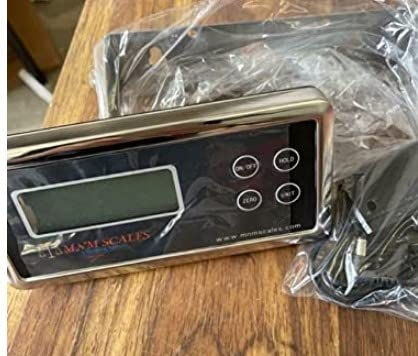
The MNM Scales livestock scale kit for hogs, sheep, goats and pigs lets farms build a purpose-sized animal platform around four shear-beam load cells and an LP7515-C digital indicator. The same electronic package used under a cattle chute can be installed beneath a smaller gated deck, crate or walk-on platform, making it useful for production records, health monitoring, sale sorting and routine herd or flock management.

Why a Custom Platform Makes Sense for Smaller Livestock
Smaller livestock often benefit from a platform sized for the species and handling system rather than a large open floor scale. Side rails or a short gated pen can keep animals fully on the deck, while a low entry height reduces hesitation. Because the MNM kit supplies the load cells and electronics rather than a fixed deck, the fabricator can build the footprint around an existing alley, sorting gate, treatment area or barn workflow.
Using Weight Data for Hogs and Pigs
Individual or batch weight records help track growth, sort animals for marketing, evaluate feed programs and identify animals falling behind their group. When comparing gains, consistency matters: weigh at similar times in the production cycle and use the same platform and handling routine. A stable electronic record is particularly useful when animals are visually similar but differ meaningfully in market weight.
Using Weight Data for Sheep and Goats
Sheep and goat producers can use weights to follow kid/lamb growth, assess body-condition trends alongside visual scoring, group animals for feeding, support weight-based health decisions and document sale or breeding performance. A narrow platform with secure footing and calm entry/exit generally produces faster, more repeatable measurements than trying to keep a small animal centered on an oversized deck.
Design Details That Improve Animal Weighing
Use a non-slip deck, rounded or protected edges and a structure stiff enough that it does not twist substantially as an animal shifts position. Keep gates and side panels attached to the weighing structure if their weight is included in the tare, or mechanically isolated if they are fixed to the building. Do not allow manure, bedding or mud to pack under the platform and create a second support point. Protect cables with routing that keeps them away from chewing, abrasion and washdown impact.
Getting a Stable Weight from a Moving Animal
Animal hold helps when hoof movement causes the live value to fluctuate. Still, the platform should be sized so the animal can stand naturally without repeatedly turning around. Close the gate gently, wait for all feet to be on the scale, avoid handlers leaning on the rail and record the held/stable value. If weights vary more than expected, repeat one animal several times before assuming the scale needs recalibration; inconsistent animal position or mechanical contact is often the first issue to investigate.
Frequently Asked Questions
Can one kit be used for different livestock species?
Yes. The electronics measure the load applied to the platform; the species-specific part is primarily the platform, rails, gates and handling layout you build around them.
Does the platform need four corners?
The kit is designed around four shear-beam sensors and a four-channel junction box, so the structure should be engineered to transfer its load into four intended support points.
How often should I check the scale?
Routine zero checks and periodic known-weight checks are good practice, especially after moving the scale, impact, welding or structural repair, cable damage, or any change to a load cell or junction box.


Comments